Old coins can feel like quiet time capsules tucked into a shoebox—tiny, metallic stories that may be worth a few dollars or thousands. The trick is separating sentimental clutter from genuine value. This guide walks you through the exact steps collectors and dealers use: identify, inspect, research, test, and decide. No jargon-heavy lectures. Just practical, realistic methods you can use at a kitchen table or a club meeting.
Start with Clear Identification
Before any valuation, you must identify the coin identifier app precisely. That means denomination, date, mint mark, and country of origin. These basic facts determine the pool of similar coins and are the foundation of all further research. Use a good light and a 10x loupe or a macro camera to read small mint marks and tiny dates—those little letters or symbols matter more than you might think. Photograph both sides on a neutral background; clear images will be vital if you later consult an expert or list the coin for sale.
Quick identification checklist
- Denomination and country (e.g., U.S. quarter, British sovereign).
- Date and mint mark (e.g., 1916 D, 1964 S).
- Obverse and reverse design types or series (Wheat penny vs. Lincoln memorial).
- Any visible marks, damage, or unusual features.
Tools and Tests You’ll Need
You don’t need a laboratory. A few reliable tools handle most checks and will save you from costly mistakes. The table below lists the essentials and what you use them for.
| Tool/Test | Purpose | How to Use |
|---|---|---|
| 10x loupe | Inspect details, wear, and mintmarks | Look for fine hairlines, luster, and mint marks under good light |
| Digital scale | Check weight against specifications | Weigh the coin to 0.01 g accuracy and compare to reference |
| Calipers | Measure diameter and thickness | Confirm dimensions to detect counterfeits or altered coins |
| Magnet | Detect magnetic metals | Gently see if the coin is attracted—most genuine silver and gold are not magnetic |
| Reference books & online databases | Research mintage and values | Use guides like the Red Book, PCGS, NGC, and auction archives |
| Professional XRF or lab test (optional) | Precise metal composition | Used by dealers and labs when composition is in doubt |
Condition Rules Everything: Learning to Grade
Condition—often called grade—is perhaps the single most important factor. Two identical coins can differ wildly in value depending on wear, scratches, corrosion, and luster. Grading follows the Sheldon numerical scale (1–70), where 70 is a perfect, untouched mint-state coin. You don’t have to memorize every nuance, but learning the basic bands will guide your expectations and whether professional grading is worthwhile.
| Grade (Sheldon) | Label | What it means |
|---|---|---|
| 1–3 | Poor to Fair | Severe wear; date may be partially missing |
| 4–12 | Good to Fine | Major design elements visible but worn |
| 20–35 | Very Fine | Moderate wear but details remain |
| 40–58 | Extremely Fine to About Uncirculated | Light wear; some luster left |
| 60–70 | Mint State | No circulation wear; die scratches or contact marks possible |
For common coins, small differences within uncirculated grades can mean big price jumps, so serious sellers often have valuable items slabbed (certified) by PCGS or NGC. Certification costs money, so compare likely market value against grading fees before submitting.
Rarity, Mintage, and Varieties
After condition, rarity drives price. Rarity comes in different flavors: low original mintage, survival rate (how many still exist in that condition), and demand among collectors. Varieties and errors—double dies, repunched mint marks, off-center strikes—can dramatically increase value. Some varieties are well-documented and cataloged; others require expert verification. Once you spot an unusual feature, stop and research: it might be a small treasure or a common strike anomaly with little premium.
Metal Content and Intrinsic Value
Some old coins have intrinsic value based on metal content. Knowing basic metal histories for your region helps avoid mistakes. For example, many U.S. dimes and quarters dated 1964 and earlier contain 90% silver; Kennedy half dollars are 90% silver in 1964 and 40% silver from 1965–1970. After those dates, many circulating coins are copper-nickel clad and carry little metal value above face. Gold coins retain bullion value tied to spot prices and often a numismatic premium on top.
To estimate melt value, calculate the coin’s precious metal weight and multiply by the current spot price, then subtract reasonable dealer spreads. Remember: melt value is a floor, not a ceiling. Rare coins almost always command more than metal weight alone.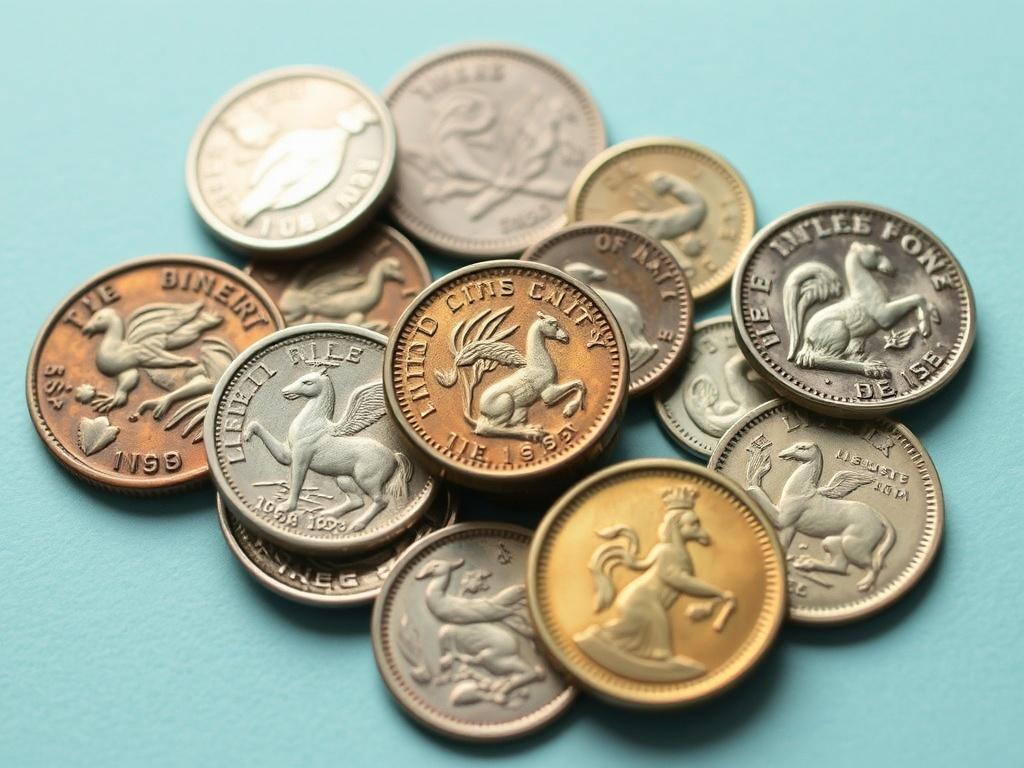
Authentication: Practical Tests and Red Flags
Counterfeits exist, and detecting them early saves time and heartache. Begin with simple checks: weight, diameter, and magnetism. If a coin that should be silver shows magnetic attraction, or its weight differs significantly from specification, that’s a clear warning. For more ambiguous cases, professional analysis by XRF or a reputable grading service is the safe route. Never rely on surface appearance alone; some modern fakes are convincing under casual inspection.
Red flags to watch for
- Unusual color or pitting inconsistent with known corrosion patterns.
- Obvious tooling marks or filing along rims to alter weight/diameter.
- Prices that are far above market from unknown sellers—pressure tactics and “limited-time” deals are common scams.
- Coins sold with vague provenance and no clear images of both sides.
Research Resources and Price Guides
Armed with identification and grade, consult reliable sources. For U.S. coins, the Guide Book of United States Coins (Red Book) is a starting point for retail and historical context. Online resources like PCGS Price Guide, NGC Price Guide, and auction archives (Heritage, Stack’s Bowers, major auction houses) show realized prices—often more useful than listed prices. Search sold listings on eBay for recent market behavior, but filter by “sold” and compare photos to ensure grade equivalence.
Where to Sell: Pros and Cons
Choosing where to sell depends on value, convenience, and tolerance for hassle. Local dealers offer immediate payment but may pay wholesale. Coin shows let you meet multiple dealers and sometimes get competitive offers. Consignment at auction can yield top prices for rare, high-grade coins, but expect fees and a wait. Online platforms like eBay reach many buyers; presentation and accurate descriptions matter. For high-value coins, professional auction houses or certified dealers reduce risk and typically achieve the best prices.
Selling options
- Local coin dealer—fast, lower price.
- Coin show—comparison shopping and potential for better offers.
- Auction house—best for rare, high-end coins; fees and time apply.
- Online marketplaces—wide reach; require accurate photos and descriptions.
- Consignment with an established dealer—middle ground, often good for moderately valuable coins.
Do Not Clean or Polish the Coin
This cannot be overstated: cleaning destroys value. Even gentle rubbing removes original surfaces and luster that collectors prize. A cleaned coin often sells for far less than a similarly graded uncleaned piece. If you think a coin’s surface condition is harming its identification, seek an expert’s opinion before doing anything. Professional conservation is available but is a specialist task and sometimes not recommended for numismatic value preservation.
Practical Step-by-Step Checklist
- Identify the coin fully: denomination, date, mint mark, and type.
- Photograph both sides under good lighting; document any marks.
- Inspect with a loupe and note wear, luster, and damage.
- Weigh and measure; check for magnetism.
- Research mintage, common varieties, and auction results for similar-grade coins.
- Decide whether to get professional grading or authentication.
- Choose a selling route based on estimated value: dealer, auction, or online.
- Package and store coins in inert holders; never use PVC-containing flips.
- Keep documentation, receipts, and provenance if available.
Example: How a Quick Valuation Might Work
Imagine you find a 1943-dated U.S. coin. Step one: confirm whether it’s a steel cent (mass-produced that year) or a rare bronze 1943 error. Weigh it; a steel cent will weigh about 2.70 g and be magnetic. A bronze cent will not be magnetic and will weigh slightly more. Next, inspect the date, mint mark, and overall condition. Use online auction results to find recent sales of coins with the same date and grade. If it’s a steel cent in average circulated condition, you’re likely looking at small collectible value; if it’s a genuine bronze 1943 cent in high grade, you could be holding a far more valuable piece—one that warrants professional authentication before any sale.
Storing and Documenting Your Finds
After identification, protect the coin. Use sealed coin capsules for valuable pieces and archival-quality flips for lower-value items. Avoid adhesive labels on the coin or holders that can degrade surfaces. Maintain a simple inventory with photos, notes on grade and provenance, and purchase or acquisition dates. Good records improve resale value and help resolve questions about authenticity and ownership later.
Avoid Common Mistakes
- Don’t rely solely on face value or metal content—numismatic value often exceeds melt value.
- Don’t accept a single opinion as final; get a second or third expert view if unsure.
- Don’t rush to sell without researching comparable sales—emotions can cost money.
- Don’t clean or alter the coin for display—original surfaces are precious.
Conclusion
Checking the value of old coins is part detective work, part homework and part patience. Start with precise identification, learn to judge condition, use simple tools to screen for obvious issues, and consult reputable price guides and auction records. When in doubt, seek professional grading or a second opinion—especially for coins that might be rare or made of precious metals. Protect your finds, keep good records, and resist the urge to clean; value often hides in the small, original things you’re tempted to change. Armed with careful steps and a little patience, you’ll make better decisions and enjoy the chase along the way.